Abstract
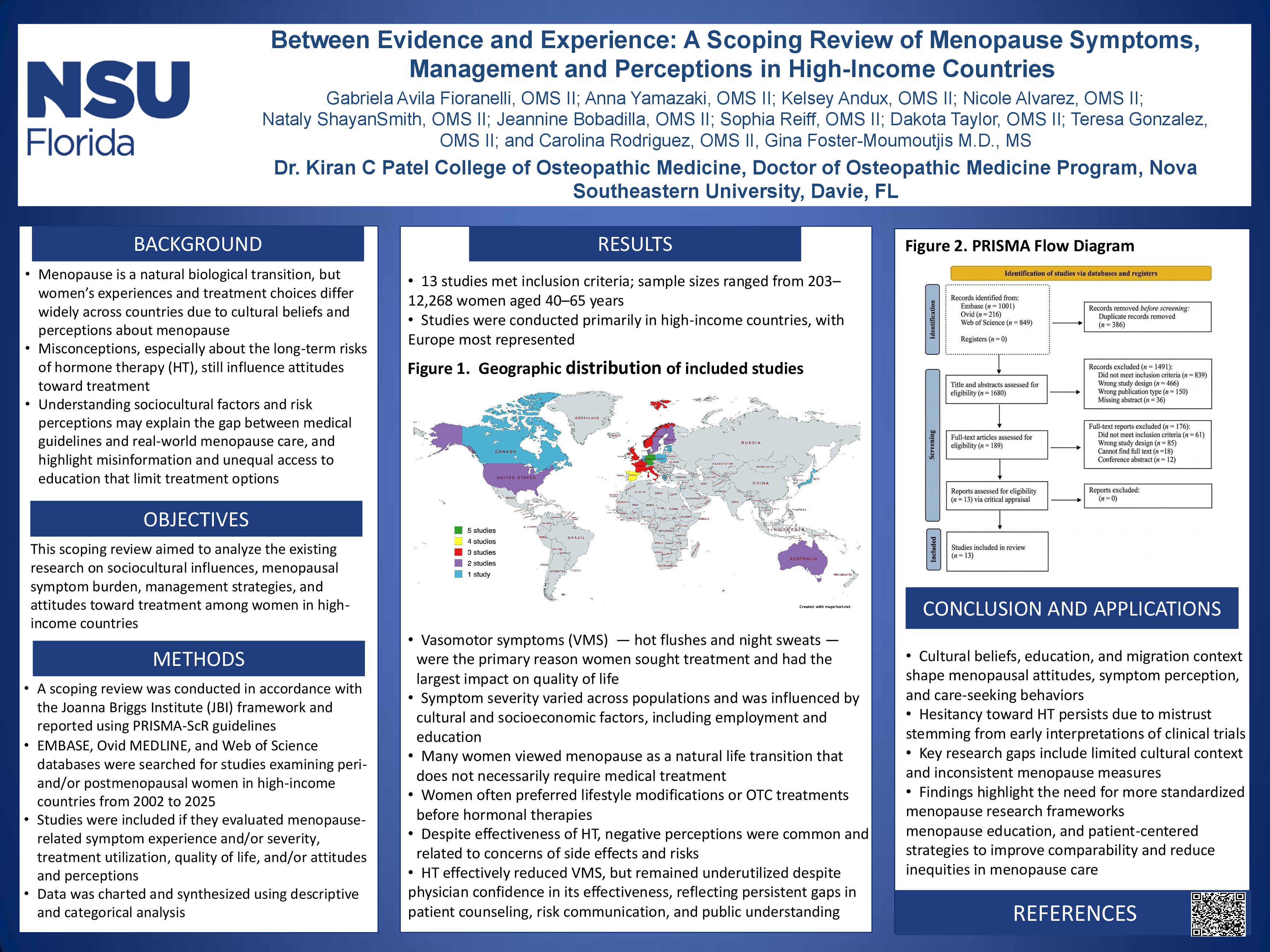
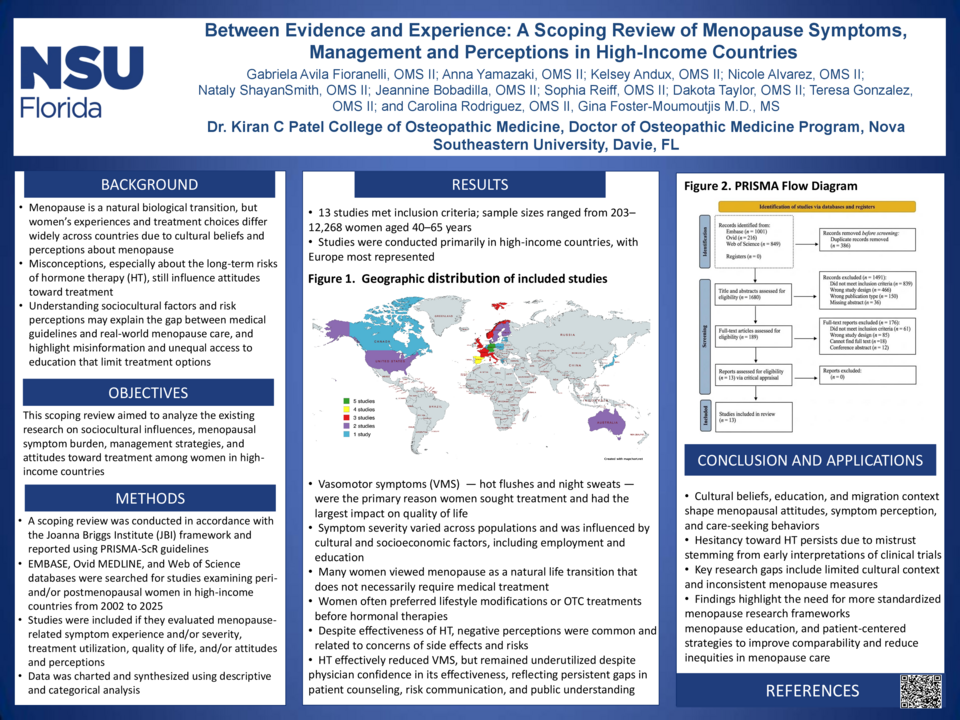
Background: Menopause is a universal physiologic transition, yet experiences differ significantly across populations. Symptom experiences and treatment decisions vary across countries, influenced by cultural beliefs about menopause. Persistent misconceptions about potential long-term health risks of hormone therapy (HT) continue to influence treatment attitudes. Examining sociocultural context and risk perceptions may help explain the gap between guidelines and real-world menopause management, highlighting misconceptions and uneven education that might limit women’s treatment decisions.
Objective: This scoping review aimed to analyze the existing research on sociocultural influences, menopausal symptom burden, management strategies, and attitudes toward treatment among women in high-income countries (HICs).
Methods: A scoping review was conducted in accordance with the Joanna Briggs Institute (JBI) framework and reported using PRISMA-ScR guidelines. EMBASE, Ovid MEDLINE, and Web of Science databases were searched for studies examining peri- and/or postmenopausal women in high-income countries from 2002 to 2025. Studies were included if they evaluated menopauserelated symptom experience and/or severity, treatment utilization, quality of life, and/or attitudes and perceptions. Data was charted and synthesized by study characteristics, symptom patterns, management strategies, and treatment perceptions.
Results: The thirteen studies that met inclusion criteria were largely cross‑sectional and relied on questionnaires, with most originating from European countries. Vasomotor symptoms (VMS) were the most frequently reported and the most influential factor compromising quality of life, often presenting with sleep disturbances and psychological distress. Lifestyle modifications and over-the-counter therapies were often preferred as first-line treatments, while HT remained underutilized despite its effectiveness. Underutilization was commonly associated with safety concerns linked to interpretations of the Women’s Health Initiative trial, as well as with perceptions of menopause as a natural life stage rather than a condition requiring medical treatment. Cultural context, migration status, and socioeconomic factors also influenced symptom experience and treatment decisions. There was a divergence between physicians confidence in HT and patient hesitancy towards its use.
Conclusion: Menopause management in HICs is shaped not only by symptom burden but also by sociocultural context, menopause perceptions, and persistent concerns about HT. Geographic skew, reliance on cross-sectional self-report measures, and inconsistent assessment tools limit comparability and longitudinal insight. Future research should prioritize standardized measures of menopause experience, broader geographic representation, and longitudinal designs to improve cross-country comparisons and better inform culturally responsive menopause care