Abstract
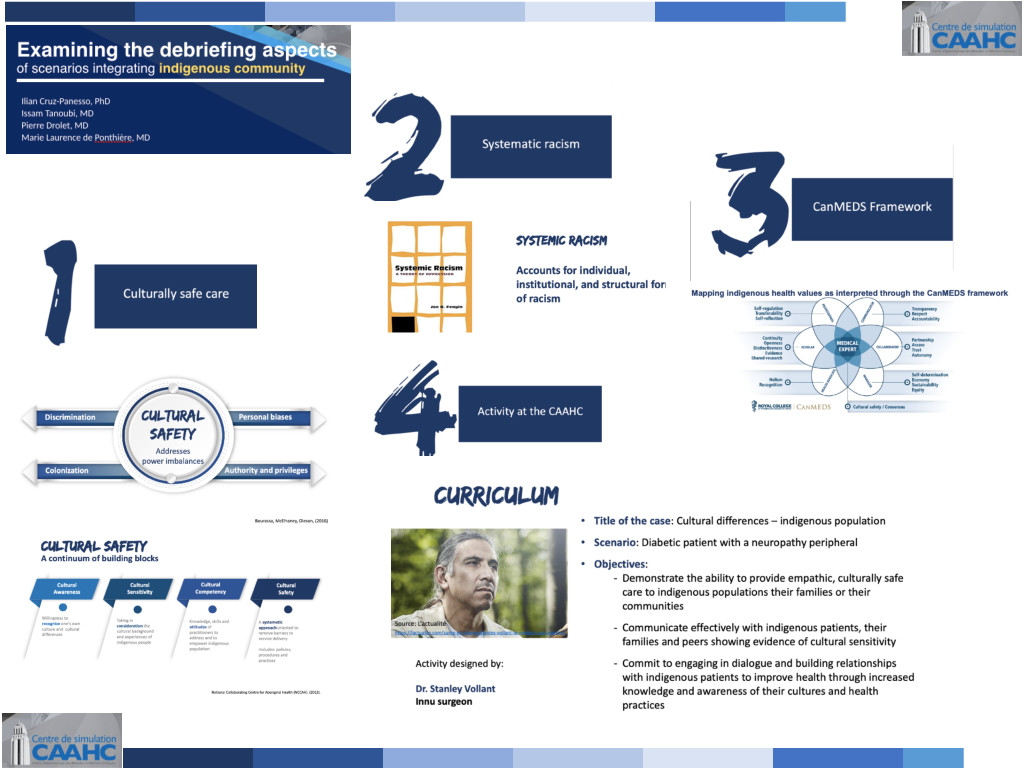
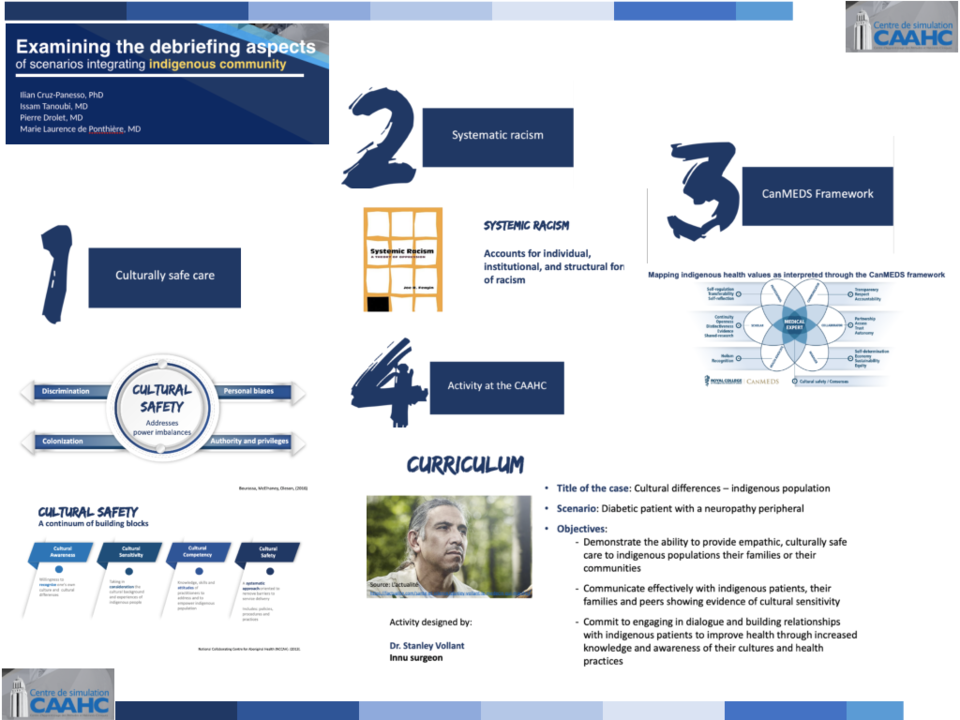
The use and effectiveness of standardized patients (SP) in healthcare simulations is widely documented. However, inclusion of SPs that represent minorities and in particular first nation communities are rarely, for different reasons (e.g., difficulties in retention and training). Simulations including first nations SPs need to go beyond the traditional physician-patient relationship and address the unique history and realities of these communities and bias on indigenous health. In this workshop, participants learn the debriefing elements that support this approach. The "Cultural Safety: First Nation" workshop will be held in situ, with the participation of an Aboriginal SP. It features a diabetic patient with peripheral neuropathy. During the simulation, the learners must demonstrate the ability to provide empathetic, culturally safe, and relationship-centered care to First Nations patients, their families and their communities. They must also commit to engaging in dialogue, building relationships, and being aware of the patients’ health-related cultural practices. The presence of an Aboriginal partner encourages the learners to take into account the patient's situation and specificities and explore the concept of cultural safety.
Following the simulation, the learners are debriefed in the presence of the patient partner who is invited to express his feelings and share specific elements of the First Nations culture. The Aboriginal SP is invited to share his/her opinion on the learners’ attitude toward specific behaviors such as the avoidance of direct visual contact or their ability to overcome the language barrier and to consider traditional medicine, still frequently used and trusted by native populations. During the debriefing, the instructor and the patient partner aim to define what it means to provide culturally safe care for the Indigenous patients. They discuss and highlight how to build relationships based on trust and openness and to foster dialogue with patients whose concerns regarding their health care are deeply rooted in specific cultural traditions and characteristics.