Abstract
Background:
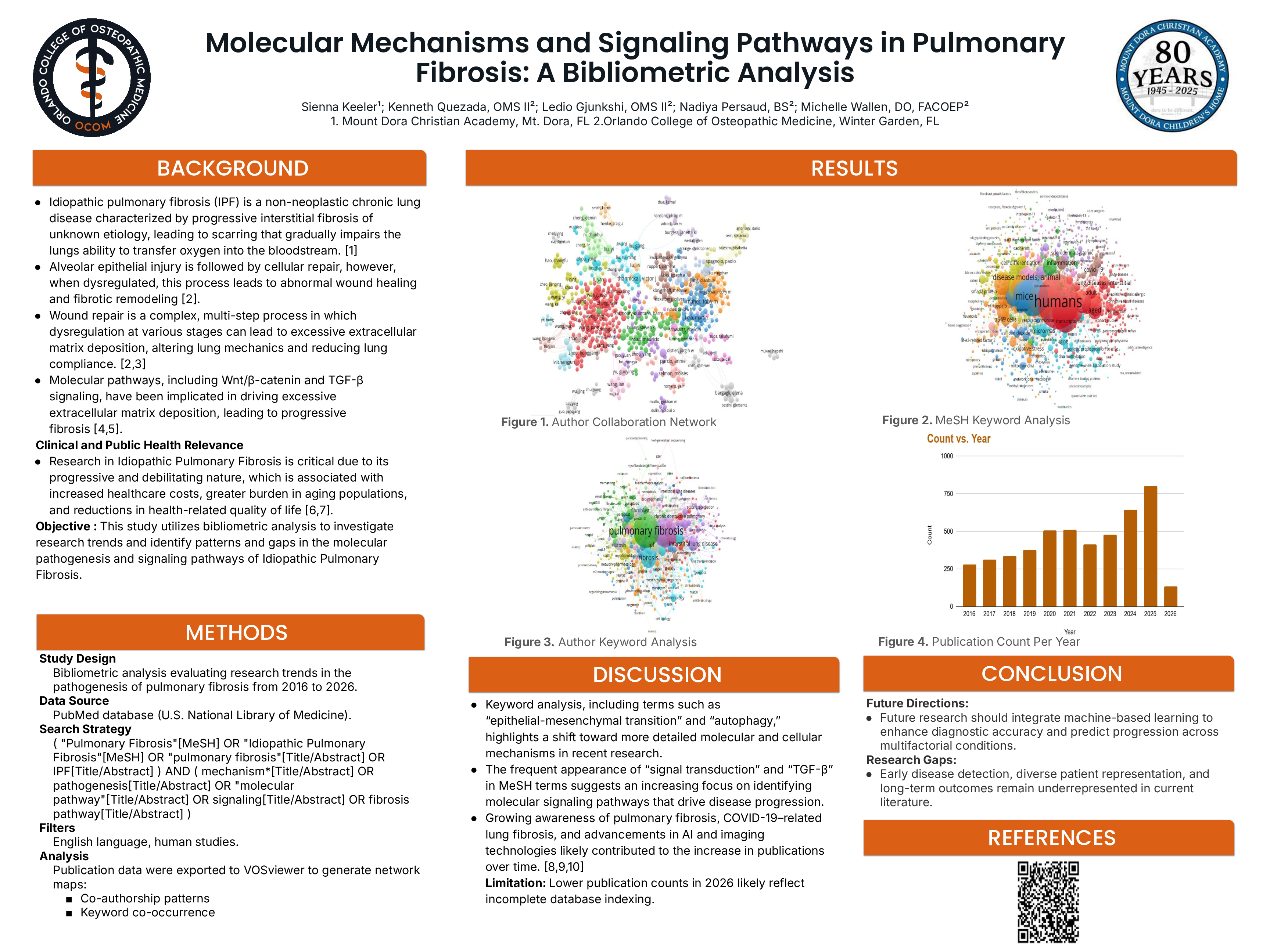
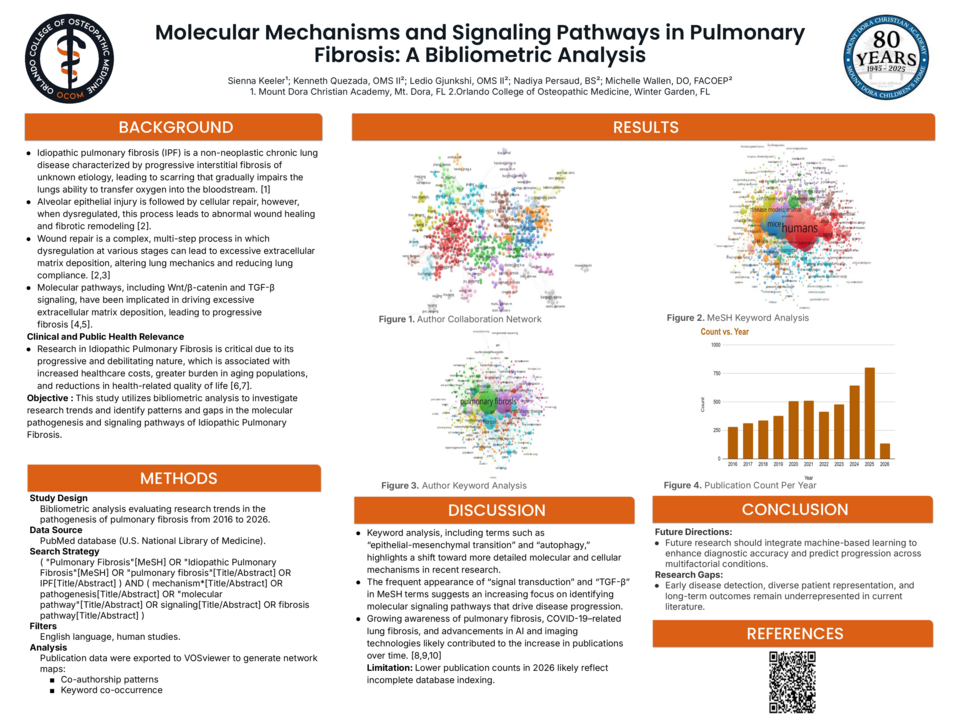
Idiopathic pulmonary fibrosis (IPF) is a chronic, progressive interstitial lung disease characterized by abnormal wound healing and excessive extracellular matrix deposition, resulting in impaired gas exchange and declining lung function. Molecular signaling pathways, including Wnt/β-catenin and TGF-β, play a critical role in disease progression. This bibliometric analysis aimed to evaluate research trends, key molecular mechanisms, and emerging themes in the pathogenesis of pulmonary fibrosis.
Methods:
A bibliometric analysis was conducted using the PubMed database, focusing on studies published between 2016 and 2026. Search terms included pulmonary fibrosis and related molecular and signaling pathway terminology, with filters applied for English-language and human studies. Publication data were analyzed using VOSviewer to generate network maps of co-authorship patterns and keyword co-occurrence, identifying major research clusters and trends.
Results:
Analysis demonstrated increasing research output over time, reflecting growing awareness and interest in pulmonary fibrosis, including COVID-19–associated lung fibrosis. Keyword and MeSH term analyses highlighted a shift toward detailed molecular and cellular mechanisms, with frequent emphasis on epithelial-mesenchymal transition, autophagy, signal transduction, and TGF-β signaling pathways. Collaborative network mapping revealed interconnected research groups contributing to advancements in the field. Despite progress, gaps remain in early detection, diverse population representation, and long-term outcomes.
Conclusions:
Research in pulmonary fibrosis is increasingly focused on elucidating molecular mechanisms and signaling pathways driving disease progression. While advancements have improved understanding, further research is needed to enhance early diagnosis, incorporate diverse populations, and develop targeted therapies. Integration of machine learning and advanced imaging may further improve diagnostic accuracy and prognostic capabilities.