Abstract
Background:
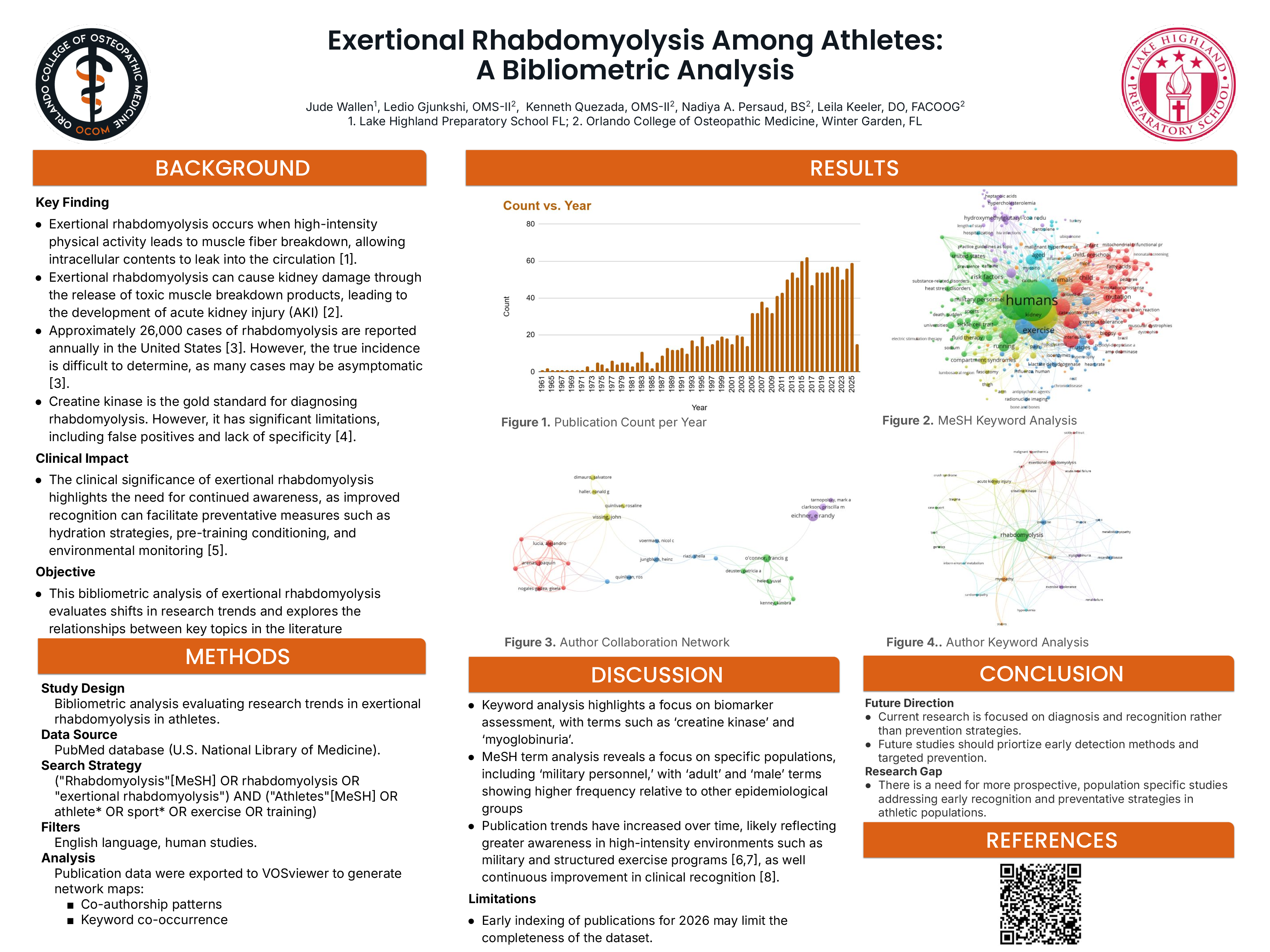
Exertional rhabdomyolysis is a condition characterized by skeletal muscle breakdown following intense physical activity, leading to the release of intracellular contents into the bloodstream and potential complications such as acute kidney injury. Despite increasing recognition, its true incidence remains unclear, and diagnostic limitations persist. This bibliometric analysis aimed to evaluate research trends, key themes, and collaborative patterns in the literature on exertional rhabdomyolysis among athletes.
Methods:
A bibliometric analysis was conducted using the PubMed database. The search strategy included terms related to “rhabdomyolysis,” “exertional rhabdomyolysis,” and “athletes,” with filters applied for English-language and human studies. Publication data were exported to VOSviewer to generate network maps analyzing co-authorship patterns and keyword co-occurrence, allowing for identification of research trends and thematic focus areas.
Results:
Analysis demonstrated a steady increase in publications over time, reflecting growing awareness of exertional rhabdomyolysis in high-intensity environments such as athletics and military training. Keyword and MeSH term analyses revealed a strong focus on diagnostic biomarkers, particularly creatine kinase and myoglobinuria, as well as emphasis on specific populations such as adult males and military personnel. Collaboration networks highlighted interconnected research groups contributing to the field. Overall, the literature remains concentrated on diagnosis and recognition rather than prevention strategies.
Conclusions:
Research on exertional rhabdomyolysis among athletes has expanded, with emphasis on diagnosis and population-specific risk. However, significant gaps remain in prevention and early detection. Future studies should prioritize prospective, population-based research and the development of targeted prevention strategies to mitigate risk in athletic populations.