Abstract
Background:
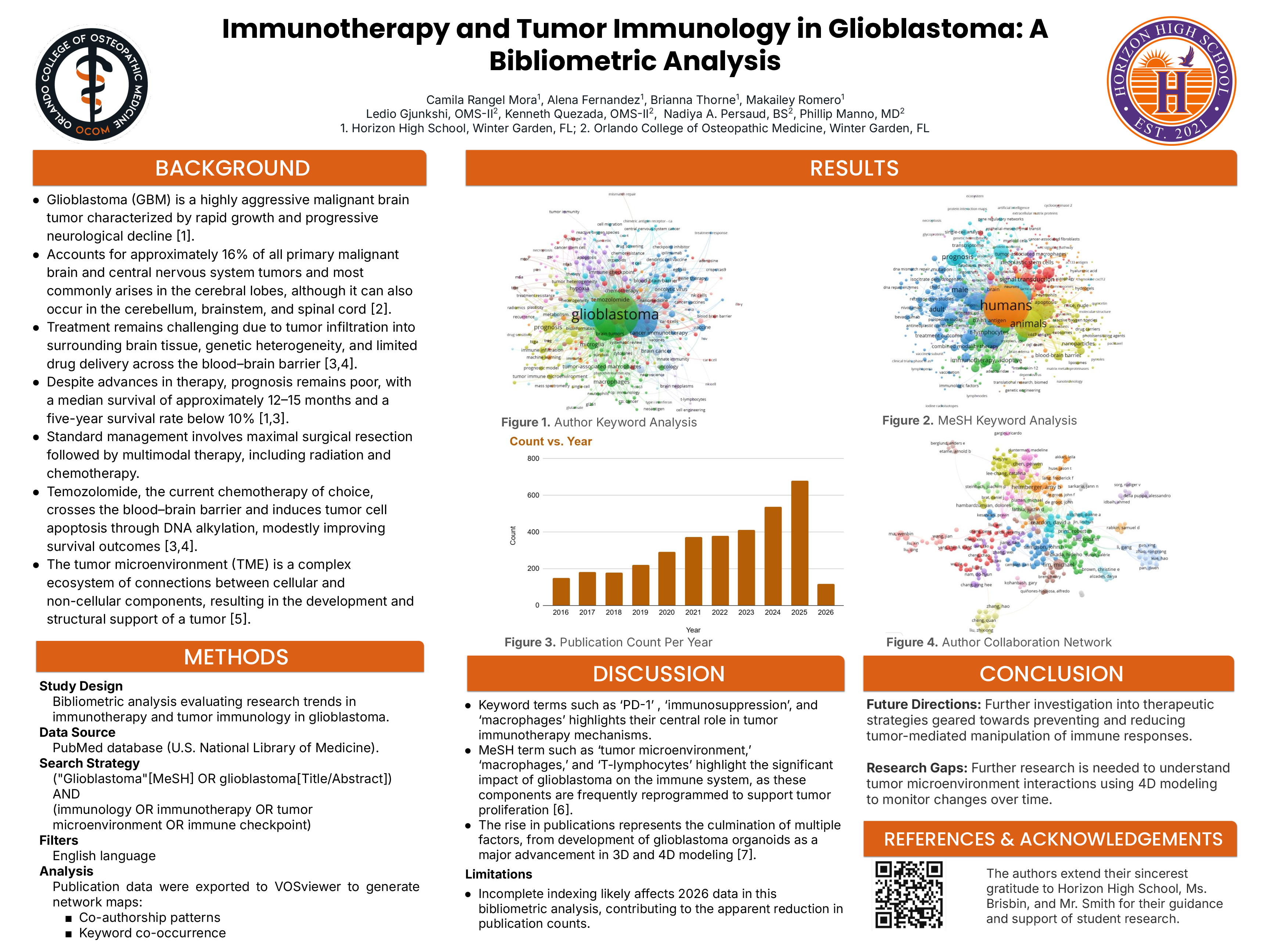
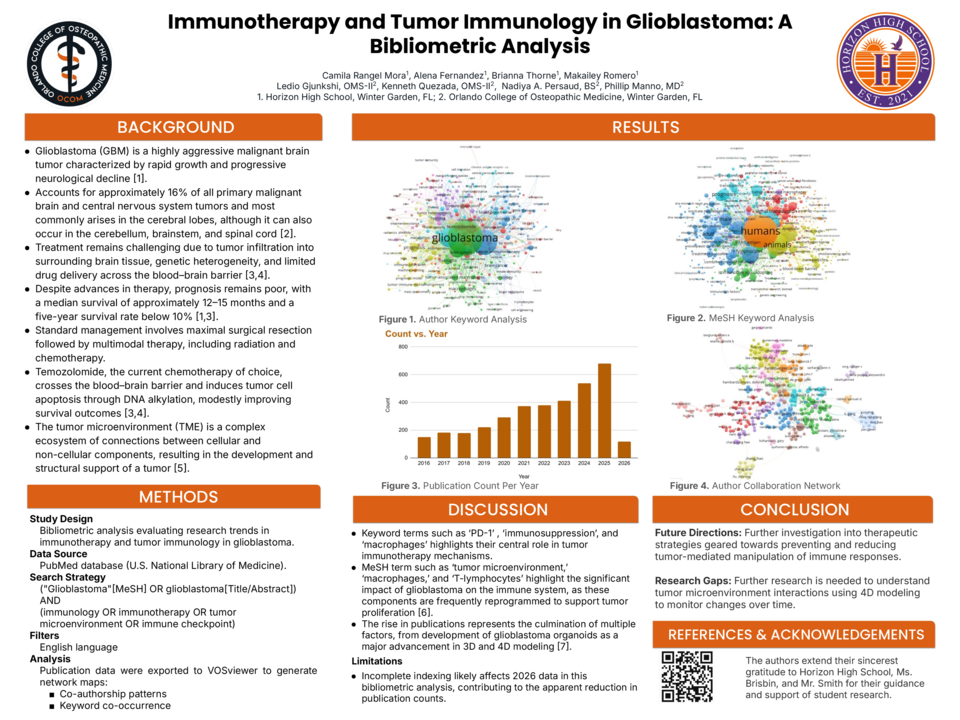
Glioblastoma (GBM) is a highly aggressive primary brain tumor characterized by rapid progression, poor prognosis, and limited therapeutic options. Despite advances in surgery, radiation, and chemotherapy, outcomes remain poor. Increasing attention has been directed toward immunotherapy and tumor immunology, particularly the role of the tumor microenvironment in disease progression and treatment resistance.
Objective:
To evaluate research trends, collaboration patterns, and key thematic areas in immunotherapy and tumor immunology in glioblastoma.
Methods:
A bibliometric analysis was conducted using the PubMed database, including English-language studies on glioblastoma, immunotherapy, and tumor immunology. Search terms included “glioblastoma,” “immunology,” “immunotherapy,” and “tumor microenvironment.” Publication trends, co-authorship networks, and keyword co-occurrence were analyzed using bibliometric mapping techniques.
Results:
Publications have increased over time, reflecting growing interest in immunotherapeutic approaches for GBM. Keyword analysis identified central themes including PD-1, immunosuppression, and macrophages, highlighting their roles in tumor immune evasion. MeSH term analysis emphasized the importance of the tumor microenvironment, macrophages, and T-lymphocytes, indicating complex immune interactions that support tumor progression. Collaboration networks revealed distinct research clusters, with opportunities for expanded interdisciplinary collaboration. Advances in modeling techniques, including 3D and 4D systems, have contributed to recent growth in the field.
Conclusions:
Research in GBM immunotherapy is increasingly focused on targeting the tumor microenvironment and overcoming immunosuppressive mechanisms. However, significant gaps remain in understanding immune interactions and translating findings into effective therapies. Future studies should emphasize innovative therapeutic strategies and advanced modeling approaches to improve clinical outcomes.