Abstract
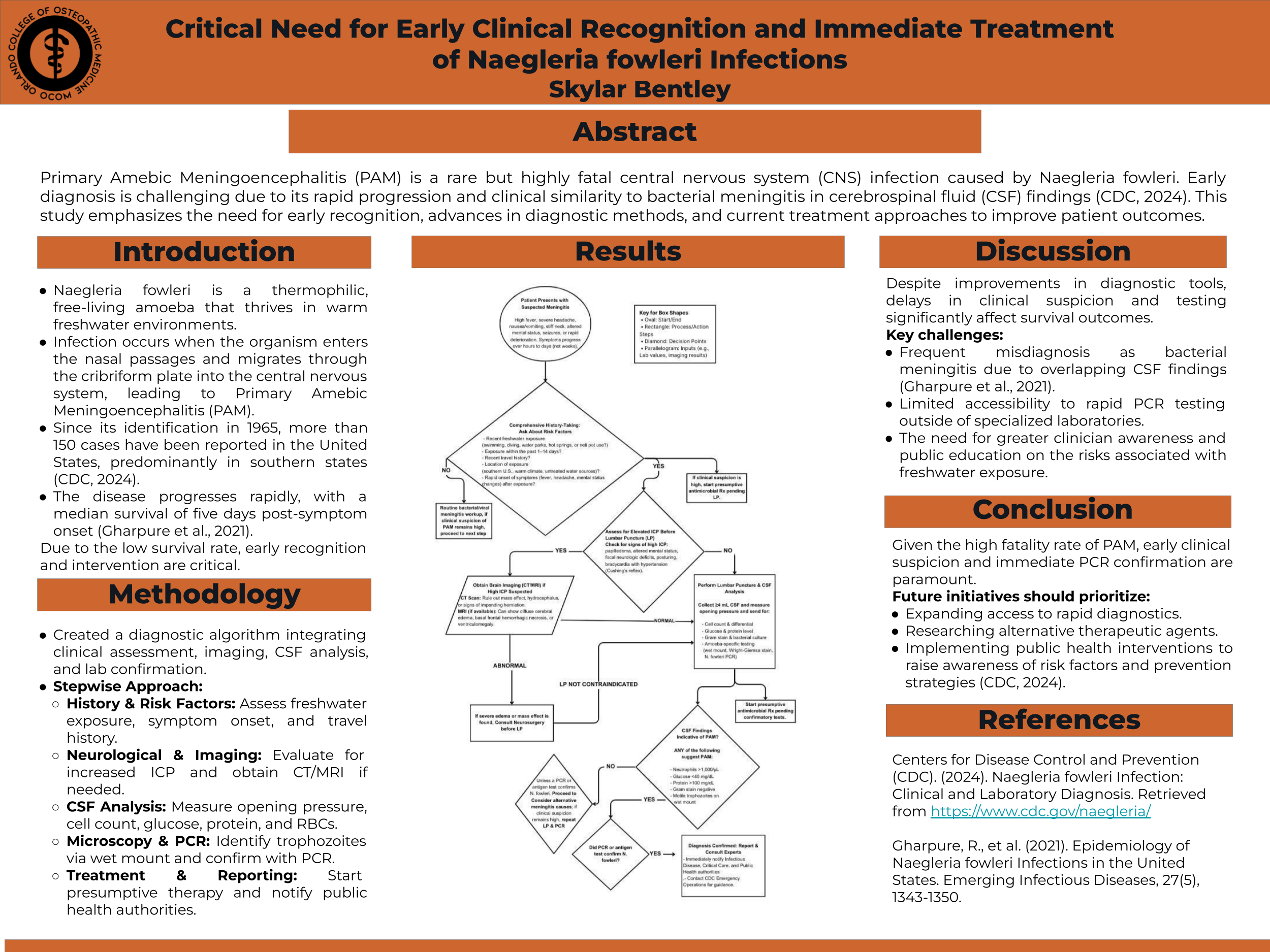
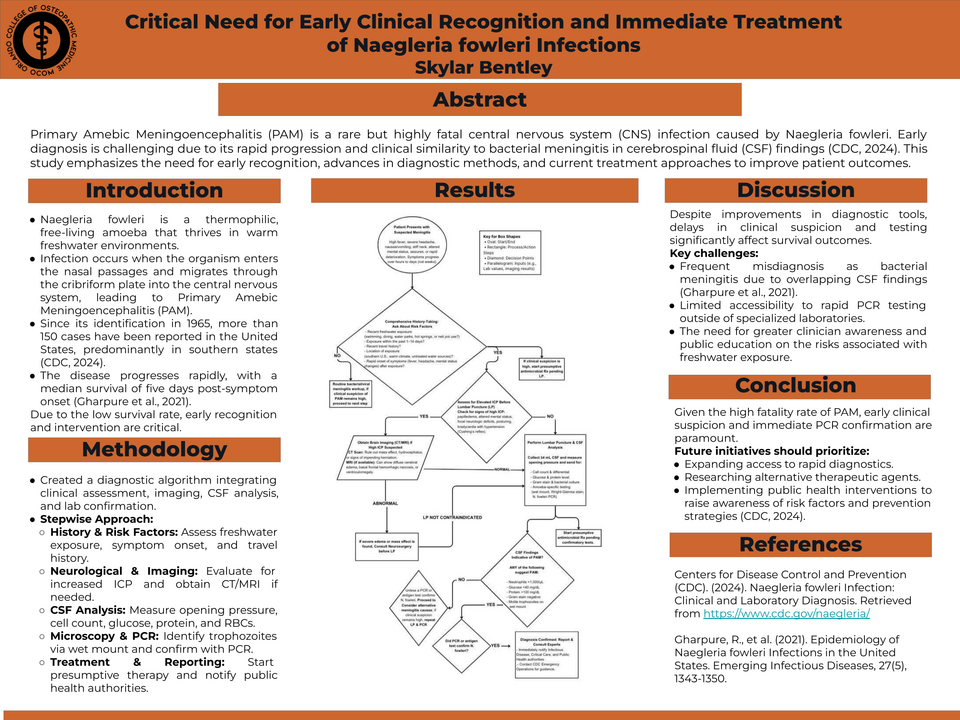
Primary amebic meningoencephalitis (PAM) is a rare but rapidly progressive and highly fatal central nervous system infection caused by Naegleria fowleri, a thermophilic amoeba found in warm freshwater environments. Infection occurs when contaminated water enters the nasal passages, allowing the organism to migrate to the brain and cause severe inflammation. Early diagnosis remains challenging due to nonspecific symptoms and cerebrospinal fluid (CSF) findings that closely resemble bacterial meningitis, often resulting in delayed recognition and treatment. This study presents a clinical diagnostic algorithm designed to facilitate early identification and management of PAM by integrating patient history, neurological assessment, imaging, CSF analysis, and laboratory confirmation through microscopy and polymerase chain reaction (PCR). Key diagnostic indicators include recent freshwater exposure, rapid neurological decline, elevated intracranial pressure, and the presence of motile trophozoites in CSF. Early initiation of presumptive therapy and prompt reporting to public health authorities are critical steps in improving outcomes. The proposed algorithm emphasizes timely clinical suspicion, rapid diagnostic confirmation, and immediate therapeutic intervention. Improving clinician awareness and expanding access to rapid diagnostic testing may enhance early recognition and reduce mortality associated with this devastating infection.