Abstract
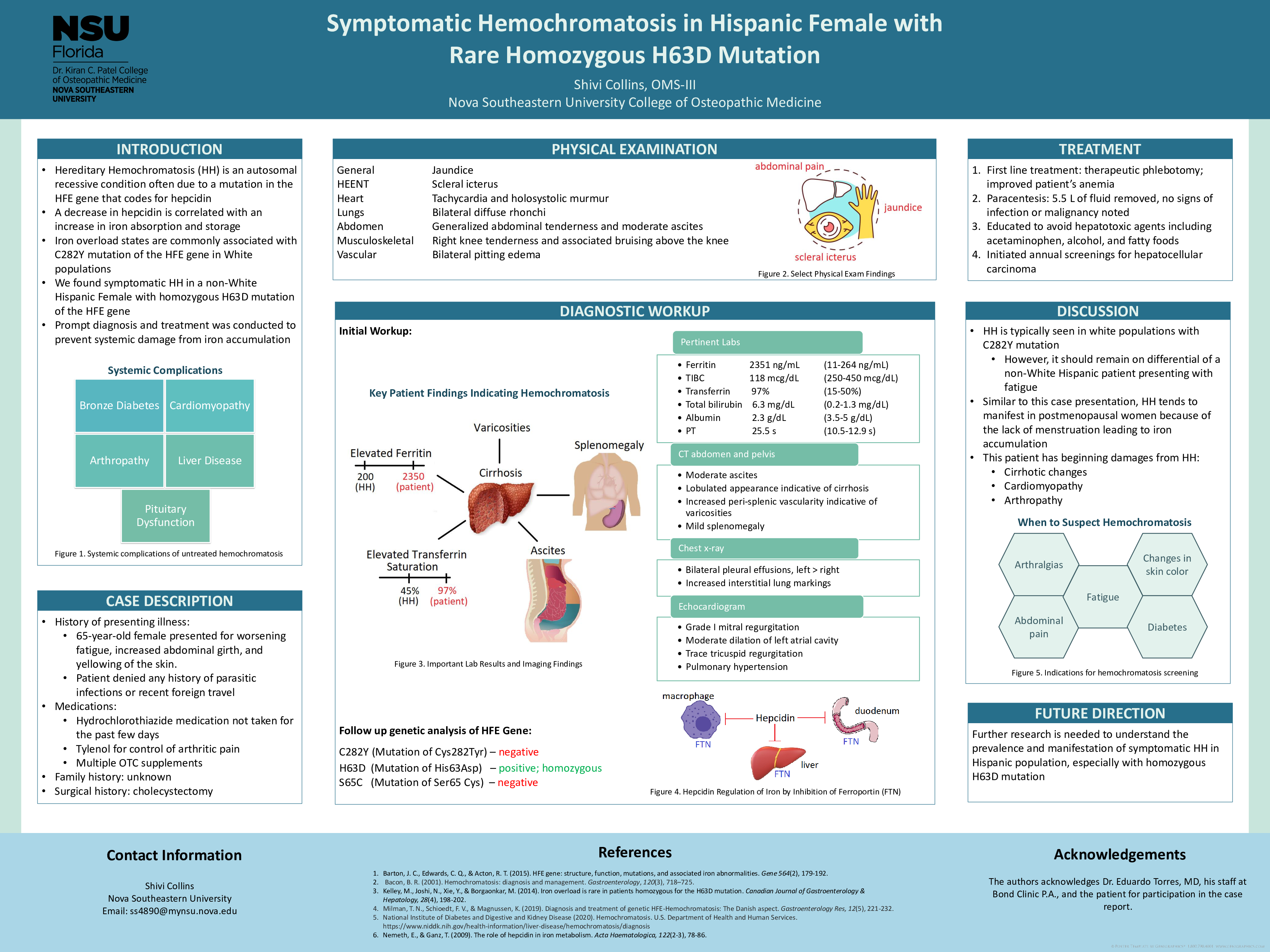
Introduction: Hereditary Hemochromatosis (HH) is an autosomal recessive disorder often caused by a mutation in HFE gene that regulates hepcidin production by the liver. Decrease in hepcidin is correlated with an increase in iron absorption and storage [1]. Previous research shows that this iron overloaded state is most frequently associated with C28CY mutation of HFE gene in white populations [2]. However, we report a case of a non-white Hispanic female who presented with symptomatic HH due to homozygous H63D mutation of the HFE gene. Since there is a lack of literature and guidelines on this unusual presentation, we relied on strong clinical suspicion and patient examination to reach the appropriate diagnosis and prevent multi-organ damage from iron-accumulation. Systemic complications of HH include diabetes, cardiomyopathy, arthropathy, and liver disease [3].
Case Description:
We present a case of a 65-year-old non-white Hispanic female who was brought in due to worsening fatigue, increased abdominal girth, and yellowing of the skin. Her family history was insignificant, and she reported frequent use of Tylenol for arthritic pain. She underwent menopause 10 years ago. Physical examination showed jaundice, scleral icterus, abdominal tenderness, bilateral pitting edema, tachycardia, holosystolic murmur, and a large bruise over the right knee. Subsequent blood work displayed a highly elevated ferritin level of 2351.10 ng/mL (reference: 11-264 ng/mL) and a transferrin saturation of 97% (reference: 15-50%). Transthoracic echocardiogram noted mitral regurgitation with left atrial dilation and pulmonary hypertension. CT scan of the abdomen and pelvis revealed moderate ascites, cirrhosis of the liver, peri-splenic and retroperitoneal varicosities, and splenomegaly. Workup for liver cirrhosis included DNA analysis of the HFE gene, which showed a positive homozygous mutation for the H63D variant. Patient was diagnosed with a rare form of hereditary hemochromatosis and prompt treatment was initiated. She received therapeutic phlebotomy to remove excess iron, which improved her fatigue. The patient was referred to gastroenterology for paracentesis, and 5.5 L of fluid was removed that revealed no signs of infection or malignancy. She was educated to avoid hepatotoxic agents and the importance of close follow ups with annual screenings for hepatocellular carcinoma.
Discussion:
This case illustrates that while hereditary hemochromatosis can have an uncharacteristic presentation, it is important to keep this condition on the differential diagnosis of a patient presenting with chronic fatigue. Early diagnosis and intervention are imperative as iron accumulation can result in widespread damage. Future research is needed to understand the prevalence and manifestation of symptomatic HH in Hispanic population, specifically with homozygous H63D mutation.