Abstract
Background:
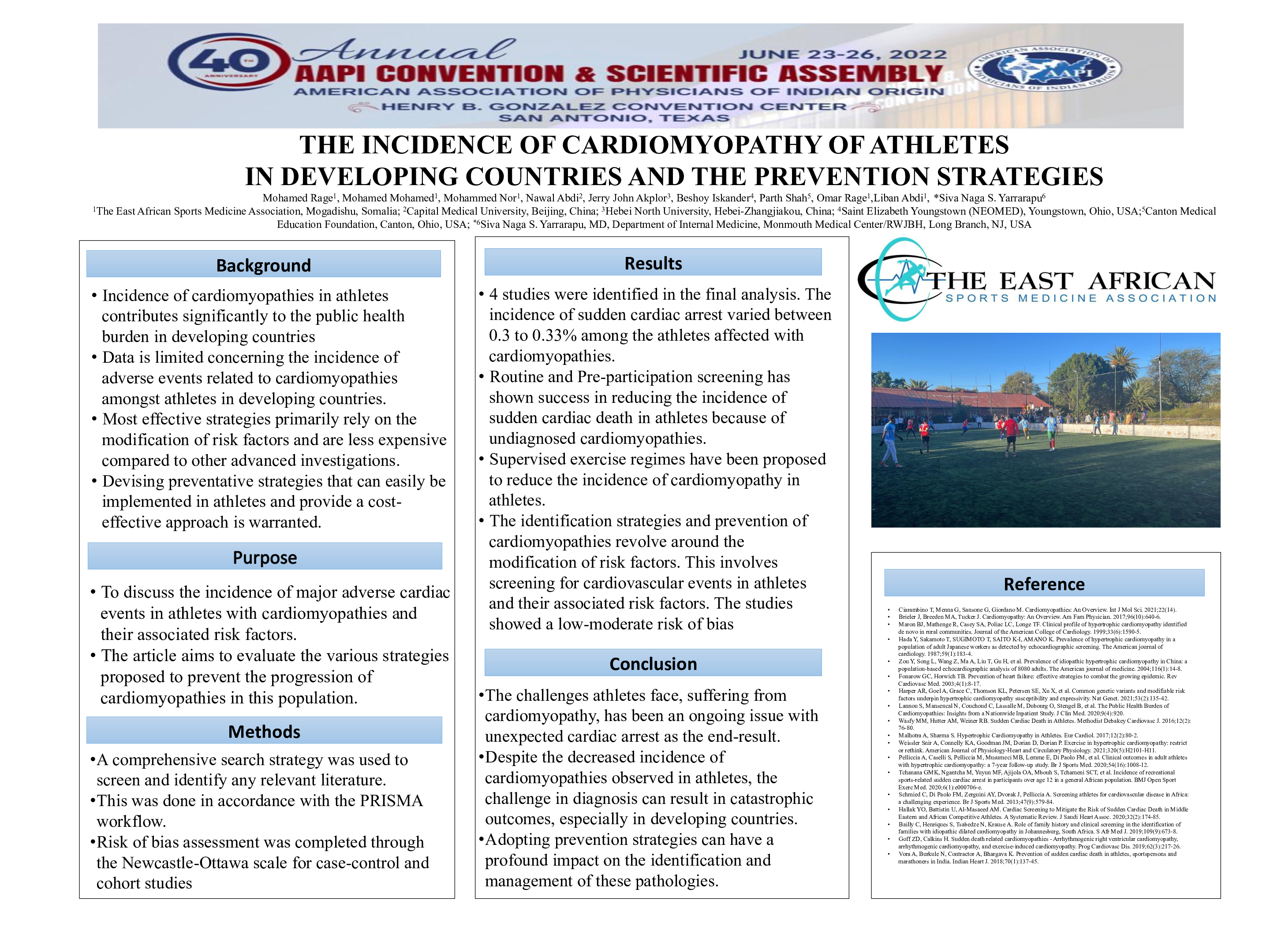
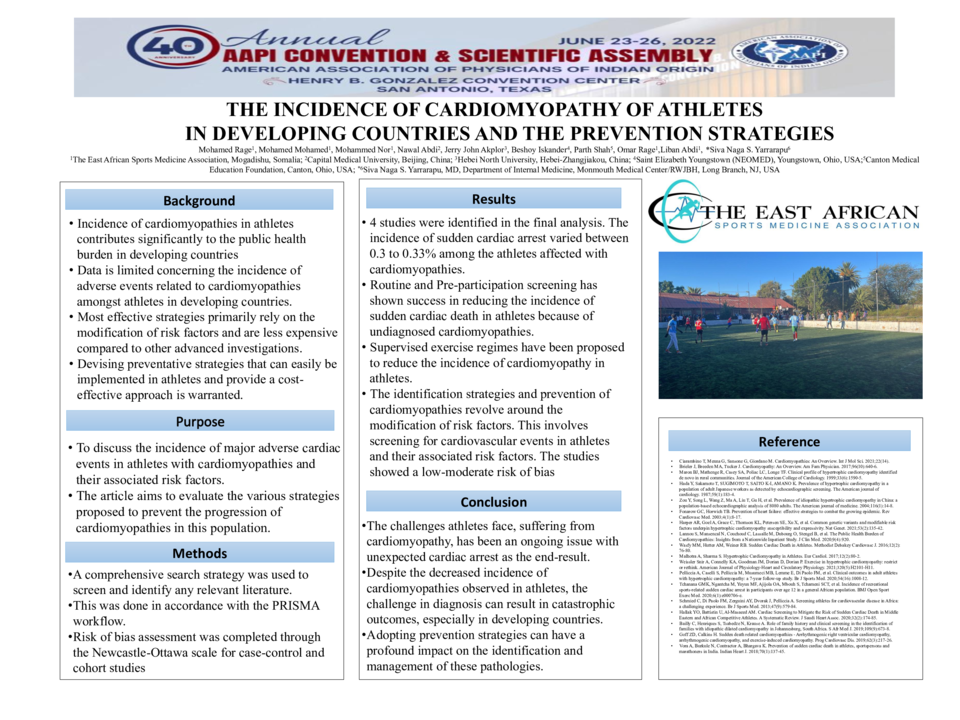
Incidence of cardiomyopathies in athletes contribute significantly to the public health burden in developing countries. Data is limited concerning the incidence of adverse events related to cardiomyopathies amongst athletes in developing countries. Most effective strategies primarily rely on the modification of risk factors, and are less expensive compared to other advanced investigations. Therefore, devising preventative strategies that can easily be implemented in athletes and provide a cost-effective approach is warranted.
Purpose:
To discuss the incidence of major adverse cardiac events in athletes with cardiomyopathies and their associated risk factors. The article aims to evaluate the various strategies proposed to prevent the progression of cardiomyopathies in this population.
Methods:
A comprehensive search strategy was used to screen and identify any relevant literature. This was done in accordance with the PRISMA workflow. Risk of bias assessment was completed through the Newcastle-Ottawa scale for case-control and cohort studies.
Results:
Four studies were identified in the final analysis. The incidence of sudden cardiac arrest varied between 0.3 to 0.33% among the athletes affected with cardiomyopathies. Routine and Pre-participation screening has shown success in reducing the incidence of sudden cardiac death in athletes as a result of undiagnosed cardiomyopathies. Supervised exercise regimes have been proposed to reduce the incidence of cardiomyopathy in athletes. Beyond identification strategies, prevention of cardiomyopathies revolves around the modification of risk factors. This involves screening for cardiovascular events in athletes and their associated risk factors. The studies showed a low-moderate risk of bias.
Conclusion:
The challenges athletes face, suffering from cardiomyopathy, has been an ongoing issue with unexpected cardiac arrest as the end result. Despite the decreased incidence of cardiomyopathies observed in athletes, the challenge in diagnosis can result in catastrophic outcomes, especially in developing countries. Therefore, adopting prevention strategies can have a profound impact on the identification and management of these pathologies.