Abstract
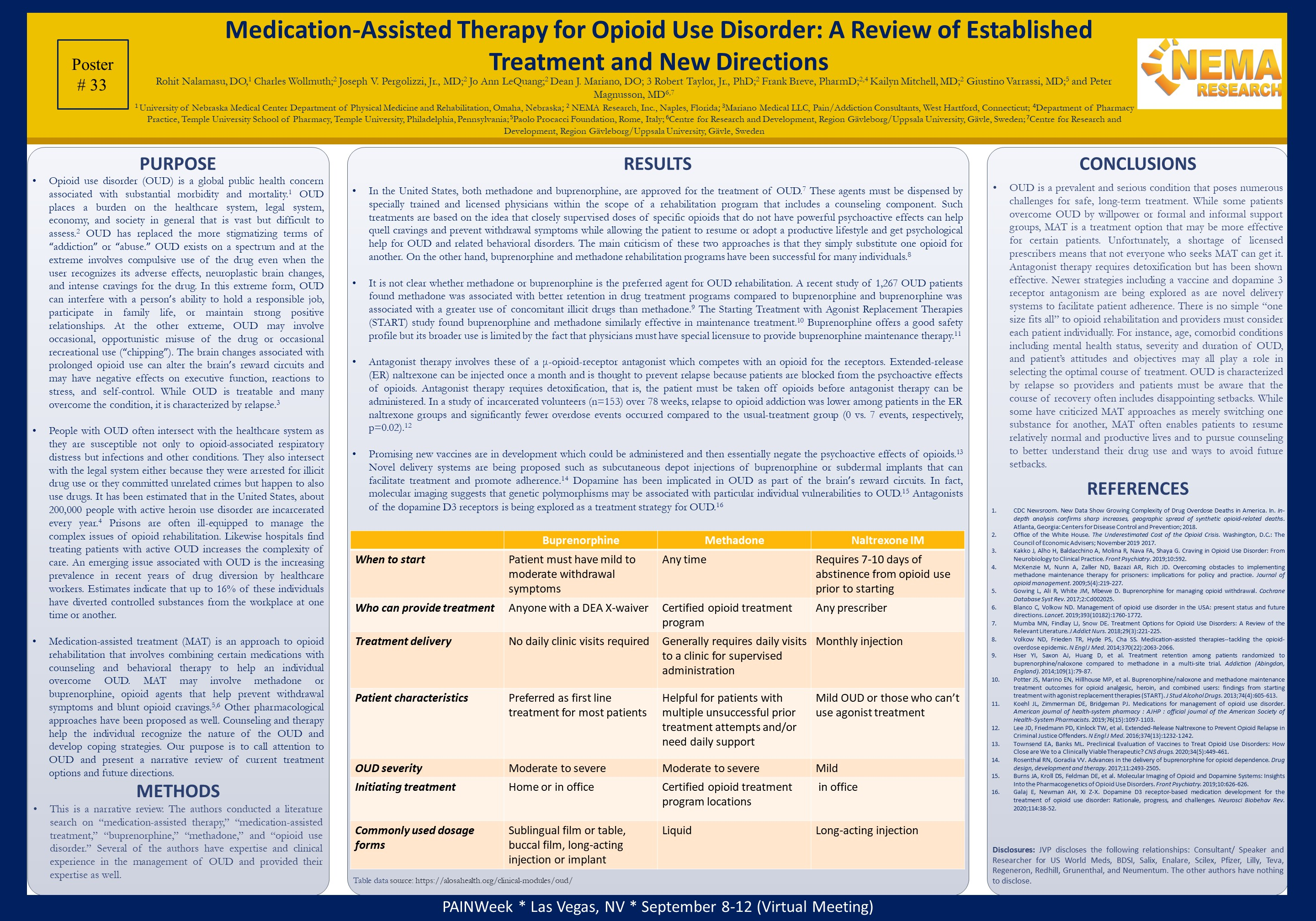
•Opioid use disorder (OUD) is a global public health concern associated with substantial morbidity and mortality.1 OUD places a burden on the healthcare system, legal system, economy, and society in general that is vast but difficult to assess.2 OUD has replaced the more stigmatizing terms of “addiction” or “abuse.” OUD exists on a spectrum and at the extreme involves compulsive use of the drug even when the user recognizes its adverse effects, neuroplastic brain changes, and intense cravings for the drug. In this extreme form, OUD can interfere with a person’s ability to hold a responsible job, participate in family life, or maintain strong positive relationships. At the other extreme, OUD may involve occasional, opportunistic misuse of the drug or occasional recreational use (“chipping”). The brain changes associated with prolonged opioid use can alter the brain’s reward circuits and may have negative effects on executive function, reactions to stress, and self-control. While OUD is treatable and many overcome the condition, it is characterized by relapse.3
•People with OUD often intersect with the healthcare system as they are susceptible not only to opioid-associated respiratory distress but infections and other conditions. They also intersect with the legal system either because they were arrested for illicit drug use or they committed unrelated crimes but happen to also use drugs. It has been estimated that in the United States, about 200,000 people with active heroin use disorder are incarcerated every year.4 Prisons are often ill-equipped to manage the complex issues of opioid rehabilitation. Likewise hospitals find treating patients with active OUD increases the complexity of care. An emerging issue associated with OUD is the increasing prevalence in recent years of drug diversion by healthcare workers. Estimates indicate that up to 16% of these individuals have diverted controlled substances from the workplace at one time or another.
•Medication-assisted treatment (MAT) is an approach to opioid rehabilitation that involves combining certain medications with counseling and behavioral therapy to help an individual overcome OUD. MAT may involve methadone or buprenorphine, opioid agents that help prevent withdrawal symptoms and blunt opioid cravings.5,6 Other pharmacological approaches have been proposed as well. Counseling and therapy help the individual recognize the nature of the OUD and develop coping strategies. Our purpose is to call attention to OUD and present a narrative review of current treatment options and future directions.